
DIY conservatory roof replacement is not recommended - the work requires building regulations approval, structural engineering sign-off, and specialist skills that DIY cannot achieve, and insurance-backed guarantees are unavailable without a registered installer. The appeal of a DIY approach is understandable given the cost of materials, but the gap between buying panels and completing a compliant, guaranteed installation is significant. This page explains what is legally required, where DIY falls short, and why professional installation consistently delivers better long-term value.
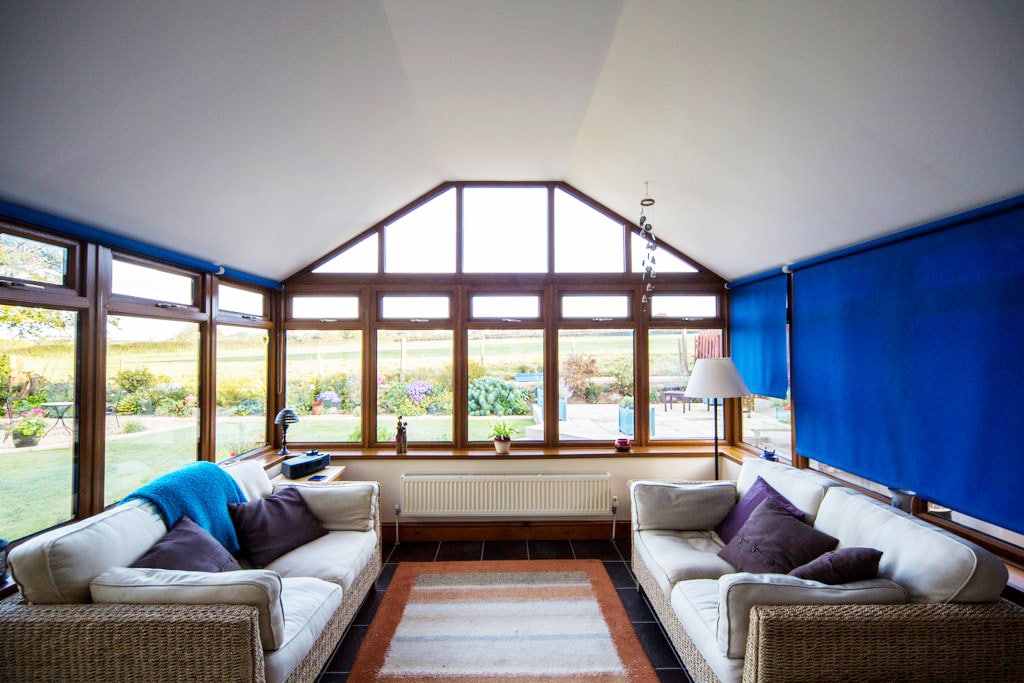
Can You Replace a Conservatory Roof Yourself?
Technically, a competent DIYer could remove an old polycarbonate roof and fit new panels like-for-like without triggering building regulations - because a polycarbonate-to-polycarbonate replacement on an exempt conservatory does not change the classification of the structure. However, this does not produce a better result and simply replaces an under-performing roof with another of the same type.
The moment the replacement roof becomes a solid, insulated system - the conversion that genuinely transforms the conservatory into a usable year-round space - building regulations compliance is mandatory. This requires professional installation, structural engineering input, and local authority building control sign-off. A DIY attempt at an insulated roof conversion without these elements is non-compliant, cannot be signed off, and creates legal and financial liability for the homeowner.
What Building Regulations Apply to DIY Conservatory Roof Work?
Four parts of the Building Regulations 2010 apply to conservatory roof replacement when the space is being brought into the thermal envelope. Part A covers structural safety and requires engineer-certified load calculations. Part L requires a minimum U-value of 0.18 W/m2K or lower, which must be demonstrated with documented specifications from an approved system. Part F requires adequate background and purge ventilation, and Part P requires any new electrical work to be carried out by a Part P registered electrician who self-certifies the installation.
Each of these parts requires documentation, certification, and in most cases inspection by a building control officer. A DIY installer has no access to the structural calculation software used by qualified engineers, cannot self-certify electrical work without NICEIC or NAPIT registration, and cannot demonstrate Part L compliance without approved system data. For a full explanation of what each part demands, see our conservatory building regulations guide.
What Are the Risks of DIY Conservatory Roof Replacement?
The risks of DIY conservatory roof replacement are serious and fall into several categories. First, structural failure: without engineering calculations, the new roof may impose loads the existing structure cannot safely carry, risking collapse of the conservatory frame, damage to the walls, or injury to occupants. Second, void home insurance: many insurers include a clause that voids building cover for damage caused by non-compliant alterations. If the roof leaks, collapses, or causes water damage, a claim may be rejected.
Third, failed building regulations inspection: if an inspector discovers non-compliant work, the local authority can issue an enforcement notice requiring the work to be removed and redone at the homeowner's cost. Fourth, water ingress: improper sealing of flashings, ridge caps, and wall junctions is the most common cause of leaks in DIY installations, leading to damage to the structure, internal finishes, and potentially electrics. Fifth, void product warranty: most insulated roof systems are only warranted when installed by manufacturer-certified contractors, meaning a DIY installation carries no product guarantee at all.
Why Do Manufacturers Require Professional Installation?
Major insulated roof system manufacturers - including Leka, Supalite, and Guardian - supply their products exclusively through networks of certified installers. The certification process involves training in the correct installation sequence, sealing methodology, flashing details, and compliance documentation. Manufacturers enforce this requirement not simply to protect their dealer network but because the performance guarantees they offer are dependent on correct installation.
A Leka roof system installed by a certified contractor carries a 40-year structural warranty and a 10-year insurance-backed guarantee. The same materials installed by an uncertified DIYer carry no warranty whatsoever. If the system fails, the homeowner bears the entire cost of remediation with no recourse to the manufacturer. The guarantee is tied to the installer, not the product. For more detail on the Leka system and what is included in a certified installation, see our Leka roof system page.
What Does Professional Installation Include That DIY Cannot?
Professional installation by a certified conservatory roof contractor includes a comprehensive set of deliverables that a DIY approach cannot replicate. These include a pre-installation structural survey and engineer's report, the LABC building regulations application and all associated documentation, coordination of building control inspections at each stage, certified thermal performance data for Part L compliance, Part P electrical certification for any new lighting or electrical circuits, an insurance-backed guarantee for the installation, and a building regulations completion certificate on sign-off.
The completion certificate is particularly important: it is the legal document proving the work was carried out to the required standard. Without it, the work is technically unauthorised and must be disclosed when selling the property. Solicitors acting for buyers routinely request this documentation, and its absence can delay or jeopardise a property sale.
How Much Does Professional Installation Cost Compared to DIY Materials?
The materials for a basic insulated roof system - frames, panels, insulation, tiles, flashing - can seem attractive compared to a professional quote. However, materials alone exclude engineer's fees, LABC application fees, scaffolding hire, electrical work, and any remedial work required if the installation is not compliant. When these costs are added, the DIY saving shrinks significantly - and that assumes the work passes inspection first time.
A professional installation includes all of the above, plus the labour of trained fitters, the guarantee, the completion certificate, and the warranty. The true cost comparison is between an unguaranteed, potentially non-compliant installation versus a fully certified, warranted one. For a clear breakdown of professional installation costs by system and size, see our conservatory roof cost guide.
How to Find a Reliable Conservatory Roof Replacement Installer?
When selecting a conservatory roof installer in Liverpool, look for LABC registration or membership of a Government-authorised competent person scheme, public liability insurance of at least £2 million, manufacturer certification for the specific roof system being installed, and a track record of local installations you can verify. A reputable installer will offer a free no-obligation survey, provide a detailed written quotation, and be transparent about what building regulations approval is required and how they will manage it.
At Conservatory Roof Replacements Liverpool, we meet all of these criteria. We are certified installers of multiple leading roof systems, we manage the full building regulations process on your behalf, and every installation carries an insurance-backed guarantee with a building regulations completion certificate. To arrange a free survey and quotation, visit our contact page.